
Under-Cabinet Hoods
Common in condos and apartments, these compact hoods leave little room for the motor and filters, so small problems show up quickly.
Typical complaints: weak suction, loud fans, lights that stop working, buttons that stick.
Weak suction, a rattling fan, lights that will not come on, or a kitchen that smells like last night’s dinner for days: a range hood that stops doing its job is easy to put up with and hard to ignore. Salt Life Appliance Repair brings 25+ years of hands-on experience to range hood repair and installation in Boca Raton homes.
A range hood is a fan, a set of filters and a path for air, all working together. The motor pulls smoke, steam and grease-laden air through the filters, and that air then either leaves through a duct to the outside or passes through a charcoal filter and returns to the room. A weak link anywhere along that path shows up as noise, poor suction or smells that hang around. Most hoods give notice before they fail. The fan sounds rougher, one speed stops working, grease starts dripping from the filters, or the light flickers. Each clue narrows down the cause, and that is where our diagnosis begins. Humid South Florida air and regular stovetop cooking can load filters with grease sooner than many owners expect, and a damper that no longer closes tightly can let humid outdoor air drift back into the kitchen.

Different hoods fail in different ways. Here is what we typically see with each style.
Common in condos and apartments, these compact hoods leave little room for the motor and filters, so small problems show up quickly.
Typical complaints: weak suction, loud fans, lights that stop working, buttons that stick.
Larger blowers move more air, which makes balance, mounting and the duct connection matter more.
Typical complaints: vibration, humming or rattling, uneven suction, touch controls that fail.
Suspended from the ceiling over a cooktop with no wall behind them, island hoods rely on solid mounting and strong airflow to capture fumes.
Typical complaints: noise and sway, fans that struggle, controls or remotes that stop responding.
Built inside custom cabinetry, these hide their motors and make access tight, so a careful diagnosis saves time.
Typical complaints: fan not starting, one speed missing, motor humming, hard-to-reach lighting.
Knowing which type you have saves time on the phone, and it changes where we look first.
Not sure which you have? A duct running up through the cabinet, wall or ceiling usually means ducted. Your manual or model number will confirm it, and we can help you identify it.
Six areas do most of the work, and each one gives warning signs before it fails.
Job: pull air through the hood and push it out.
Warning signs: humming, grinding, wobble, weak airflow, a fan that will not start.
Job: set the fan speed and run the hood.
Warning signs: speeds that do not work, buttons that stick, a touch panel that ignores you.
Job: catch grease and, in ductless models, odors.
Warning signs: grease dripping, weak suction, lingering cooking smells.
Job: light the cooktop.
Warning signs: dim or flickering lamps, lights that die soon after a bulb change.
Job: open to let air out and close to keep outside air from coming in.
Warning signs: flapping or rattling, drafts when the hood is off, weak airflow.
Job: hold the hood securely and supply power.
Warning signs: vibration, a hood that sags or shifts, intermittent power.
Troubleshooting
See what is probably happening and what you can safely try before calling. If a step does not help, or you see anything on the warning list below, stop and call.
| Symptom | Likely culprits | Safe first step |
|---|---|---|
| Fan will not start | Tripped breaker, loose power connection, faulty speed switch or control board, failed motor | Check the breaker and see whether the light still works. Do not open the housing. |
| Weak suction | Grease-clogged filters, spent charcoal filter, stuck damper, restricted duct, worn blower wheel | Clean the metal filters or replace the charcoal filter per the manual, and try a higher fan speed. |
| Loud, rattling or humming | Loose or greasy blower wheel, worn motor bearings, loose filter, flapping damper, loose mounting | Reseat the filters. Turn the fan off if you hear grinding or scraping. |
| Only some speeds work | Speed switch, control board, motor windings | Try every speed and note which ones fail to tell us. |
| Lights not working | Burned-out bulb, wrong bulb type, lamp socket, LED driver, control board | With the hood off and cool, fit the bulb type your manual lists. |
| Buttons or touch panel unresponsive | Control panel, control board, grease or moisture on the panel | Wipe the panel with the hood off, then restore power at the breaker once. |
| Grease dripping | Saturated filters, full grease cup or trap, heavy buildup inside the hood | Turn the hood off and let it cool, then clean the filters and any grease cup. |
| Cooking odors linger | Spent charcoal filter, grease-loaded filters, weak airflow, damper not working | Replace or clean filters per the manual, and run the fan a few minutes after cooking. |
Clogged filters are among the most common causes of weak suction, and a few minutes of upkeep protects the motor. Your manual always has the final word on cleaning methods and filter intervals.
Never clean a hood while the fan is running, and do not run it without its filters. Check the manual before using harsh degreasers or the dishwasher, since some filters and finishes can be damaged.
Many manuals suggest about monthly with regular cooking, sooner if you fry often.
Ductless models need replacement, not washing, on the interval the manufacturer gives.
Degrease the underside, edges and any collection cup while the hood is cool.
Switch the fan on before the heat and leave it running a few minutes afterward.
On ducted hoods, look now and then for debris or nesting blocking the cap.
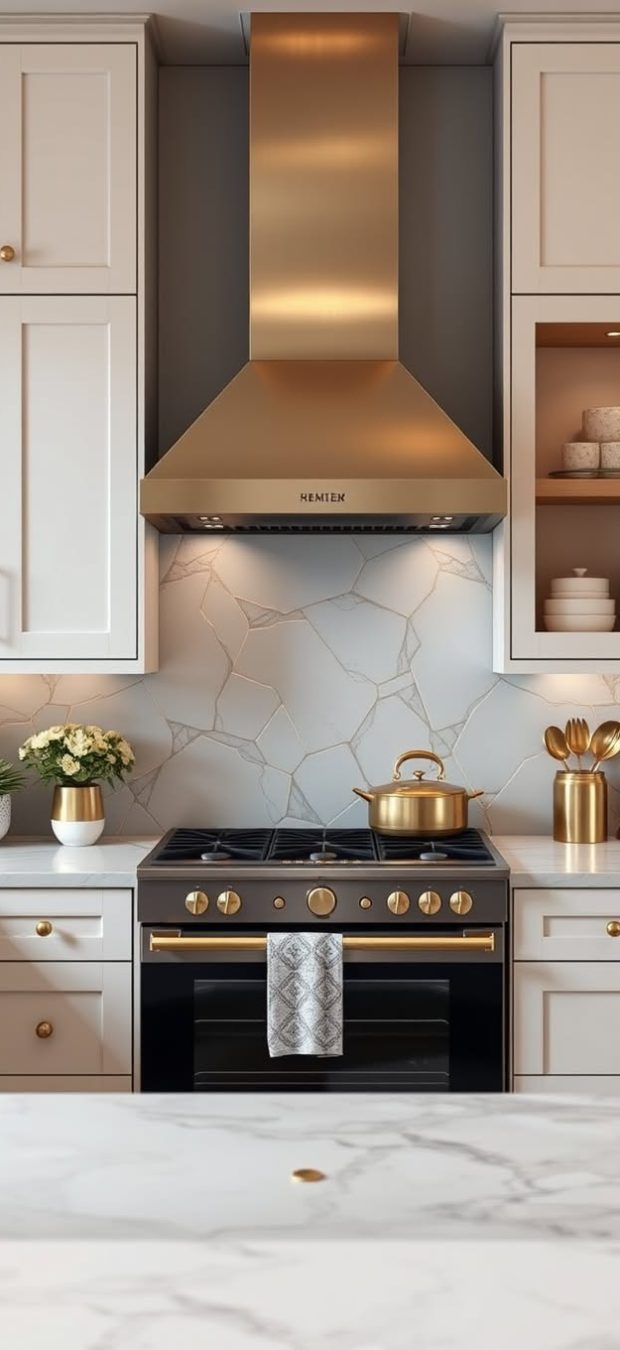
Installation
Replacing an outdated hood or finishing a kitchen upgrade? A hood is more than a box above the cooktop. Mounting height, support, duct connection and power all affect how well it captures fumes and how loud it runs, and every one of them should follow the requirements for your specific model.
Secure support and the clearance above the cooktop that the manufacturer specifies.
The electrical connection, plus a proper connection to existing ductwork or the right setup for recirculation.
We run every fan speed, test the lights and controls, and listen for vibration before we finish.
New duct runs, wall or roof openings and new circuits go beyond the appliance itself and should be handled by appropriately licensed professionals. Powerful hoods can also trigger makeup-air requirements in some places, and condo or HOA buildings may restrict exterior vents, so check local code and building rules before you buy.
Repair or Replace
A tired hood can often be saved. These signals usually tell the story.
After inspecting your hood, we tell you honestly which side it falls on.
With 25+ years of fixing household appliances, we have met most failure patterns before.
We confirm what has actually failed before recommending anything, so every suggestion has a reason behind it.
If the real problem is the duct, the hood’s size or a building rule, we tell you instead of swapping parts and hoping.
The fix differs for each type, so we check the hood and the air path together before recommending parts.
New hoods go in following the manufacturer’s own installation guide for that model.
We walk you through the diagnosis and what it means for you in everyday language. See what local customers say on our reviews page.
Tell us the brand, the model and what it is doing. We will take it from there.
Weak suction usually comes from grease-clogged filters, a spent charcoal filter on a ductless model, a stuck backdraft damper, a restricted duct, or a worn blower wheel or motor. Clean the metal filters as your manual directs, replace the charcoal filter if your hood has one, and check that the fan is on a high enough speed. If airflow is still poor, have the hood inspected, because the cause may be in the blower or the duct path rather than the filters.
Noise often comes from a loose or grease-coated blower wheel, worn motor bearings, a loose filter, a damper flapping in the duct, or mounting screws that have worked loose. Reseat the filters and turn the fan off if you hear grinding or scraping. If the noise continues, have the hood inspected, since a worn motor or unbalanced blower tends to get louder over time.
If the fan does not start at any speed, the cause is usually a tripped breaker, a faulty speed switch or control board, a loose power connection, or a failed motor. Check the breaker and see whether the hood light still works. If the light works but the fan does not, the motor or its controls are the likelier culprits, so stop and book service.
A dead hood light is often just a burned-out bulb, and many hoods need a specific bulb type or LED module listed in the manual. With the hood off and cool, swap in the correct replacement. If a new bulb does not help, the socket, LED driver or control board may be at fault and the hood should be checked.
Follow your manual. Many manufacturers suggest cleaning reusable metal filters about once a month with regular cooking, and more often if you fry or sear frequently. Reduced airflow, grease dripping from the filters or a greasy film on the cooktop are signs they are overdue.
Yes. Ductless hoods, also called recirculating hoods, pass air through a charcoal filter and send it back into the kitchen. That filter cannot be washed and has to be replaced on the schedule your manual gives. Metal grease filters on these hoods still need regular cleaning. A spent charcoal filter is a common reason odors linger and suction feels weak.
We service under-cabinet, wall-mount, island and insert range hoods, both ducted and recirculating, for homes in Boca Raton, FL. Because models vary, tell us the brand and model when you get in touch on (561) 866-5598, and we will confirm we can help.
Installation covers mounting the hood at the height the manufacturer specifies, making the electrical connection, connecting the hood to existing ductwork or setting it up for recirculation, and testing the fan, lights and controls. New duct runs, wall or roof openings and new circuits go beyond the appliance itself and should be handled by appropriately licensed professionals. Have the model number, the installation guide and your cooktop details ready.
Yes. Ductless hoods, also called recirculating hoods, pass air through a charcoal filter and send it back into the kitchen. That filter cannot be washed and has to be replaced on the schedule your manual gives. Metal grease filters on these hoods still need regular cleaning. A spent charcoal filter is a common reason odors linger and suction feels weak.
Ring (561) 866-5598 or submit the request form on this page. Include the brand, the model and a short description of the problem, plus whether the hood vents outside or recirculates.