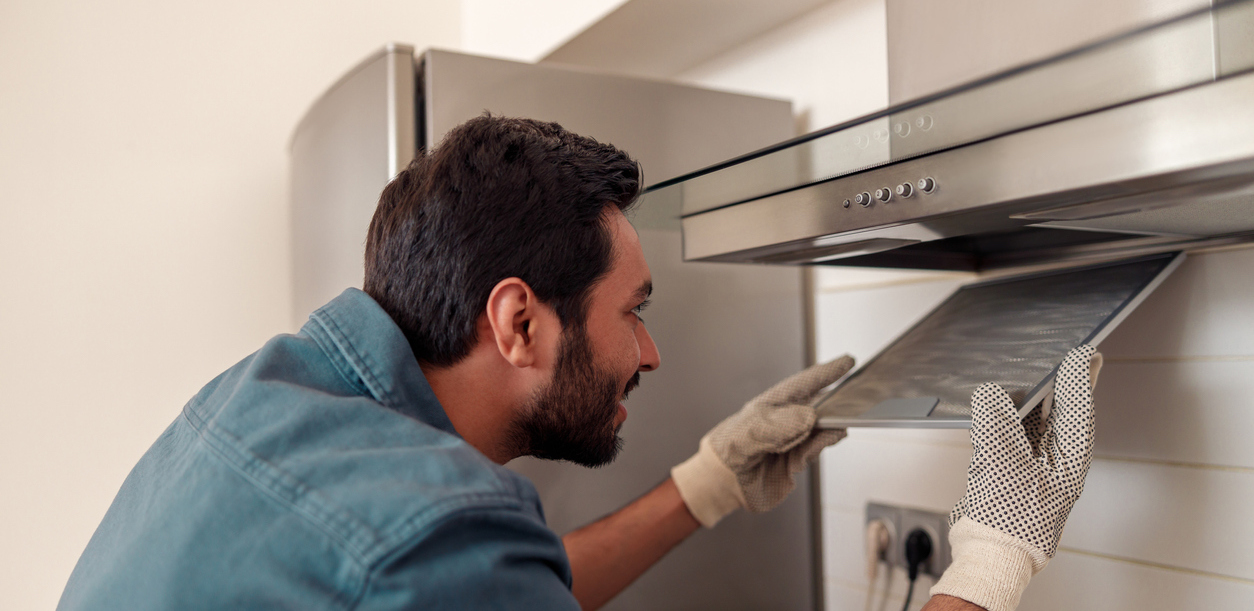
A kitchen hood does much more than sit above your stove and make the cooking area look complete. It works like the lungs of your kitchen, pulling away smoke, grease, heat, steam, and cooking odors before they spread throughout your home. When the hood stops working properly, you may notice lingering smells, greasy cabinets, excessive heat, or weak airflow. That is where professional hood repair and installation can make a noticeable difference. Whether your existing unit needs troubleshooting or you are upgrading to a modern ventilation system, choosing the right equipment and having it installed correctly can improve comfort, cleanliness, and kitchen performance.
Why a Kitchen Hood Matters
Cooking naturally releases airborne particles, moisture, and odors. A properly functioning hood captures much of that airborne material and either exhausts it outdoors or filters and recirculates the air, depending on the system. Modern installation guidance emphasizes choosing the hood based on the cooking surface, kitchen layout, ventilation method, and required airflow capacity.
Better Kitchen Ventilation
Good ventilation is especially important if you frequently fry, grill, sear, or cook foods that create substantial smoke and steam. A hood with appropriate airflow can help keep the kitchen more comfortable while reducing the amount of cooking residue that settles on surrounding surfaces.
Removing Smoke, Grease, and Odors
A strong hood helps capture cooking byproducts before they travel into nearby rooms. For households with open-concept kitchens, effective ventilation can be particularly valuable because odors and heat can quickly spread throughout the living area.
Common Signs Your Hood Needs Repair
Weak Airflow
If your hood is running but barely pulling smoke upward, there could be an issue with the fan, filter, ductwork, or motor. A clogged filter can restrict airflow, while blocked or poorly designed ductwork can prevent the system from exhausting effectively.
Unusual Noise or Vibration
Grinding, rattling, buzzing, or excessive vibration should not simply be ignored. These symptoms may point to a worn motor, a loose component, a damaged fan blade, or an installation problem. Getting the unit inspected early can prevent a minor issue from becoming a more expensive repair.
When Hood Replacement Makes More Sense
Sometimes repairing an old hood is like putting another patch on an aging roof; it may work temporarily, but replacement can provide better long-term value. If the motor repeatedly fails, the housing is damaged, parts are unavailable, or the hood no longer provides enough ventilation, installing a newer model may be the smarter solution.
Choosing the Right Hood Size
The hood should properly correspond to the cooking surface. Whirlpool recommends that the hood width should generally match the width of the cooktop, while the manufacturer’s installation requirements should always be checked for the specific appliance.
Understanding CFM and Ventilation Power
CFM, or cubic feet per minute, indicates how much air the hood can move. Your cooking habits, kitchen size, appliance type, and manufacturer specifications all matter when determining the appropriate ventilation capacity. Gas cooking can require additional consideration because of the heat output of the cooking equipment.
Professional Hood Installation
Ducted vs. Recirculating Hoods
A ducted hood exhausts air outside through ductwork, while a recirculating hood filters air and returns it to the kitchen. Outdoor ventilation can be highly effective for removing smoke and odors, but not every home has a practical route for duct installation. The appropriate option depends on the kitchen structure, appliance requirements, and applicable local regulations.
Proper Ductwork and Vent Routing
Correct ductwork is one of the most important parts of a successful hood installation. A professional needs to consider the duct route, bends, length, exterior termination, and manufacturer requirements. Venting into an attic, crawlspace, or other enclosed area is not an appropriate substitute for properly exhausting the air outdoors.
Electrical and Mounting Requirements
A hood must be securely supported and correctly connected to its electrical supply. Installation also involves positioning the appliance at the appropriate height above the cooking surface and following the manufacturer’s instructions and applicable building requirements.
Benefits of Professional Hood Services
Improved Kitchen Air Quality
Professional hood repair and installation can help restore the ventilation performance your kitchen needs. Instead of constantly wiping greasy surfaces or dealing with stubborn cooking smells, you can have a properly functioning system designed around your cooking setup.
Safer and More Efficient Operation
Correct installation also helps ensure that the hood, ductwork, mounting, and electrical components work together properly. Professional assistance is particularly useful when installation involves new duct openings, electrical connections, structural modifications, or complicated ventilation routes.
Maintaining Your Kitchen Hood
Cleaning Filters Regularly
Filters collect grease and airborne particles, so they need regular attention. A dirty filter can restrict airflow and make the hood work harder. Follow the manufacturer’s cleaning or replacement recommendations to maintain proper performance.
Inspecting Ducts and Fans
Periodic inspection can identify grease buildup, loose components, obstructions, or mechanical problems before they become major failures. If your hood suddenly becomes louder or noticeably weaker, schedule an inspection rather than continuing to operate it as normal.
How Much Does Hood Repair & Installation Cost?
The cost of hood repair and installation varies considerably depending on the problem and the installation requirements. A straightforward repair may involve a filter, switch, fan component, or motor, while a new installation may require ductwork, wall or ceiling modifications, electrical work, mounting, and exterior venting.
The best approach is to have the kitchen assessed before choosing equipment. A professional can evaluate your cooking surface, available space, existing ductwork, electrical setup, and ventilation needs before recommending an appropriate solution.
Conclusion
A kitchen hood is an important part of a comfortable and functional cooking environment. Whether you need hood repair, a complete hood installation, or replacement of an outdated ventilation system, the right solution can improve airflow while helping control smoke, grease, heat, and odors. Choosing the correct hood is only half the job; the installation, ductwork, electrical connections, and ongoing maintenance all contribute to reliable performance. If your current hood is noisy, weak, damaged, or simply no longer suitable for your kitchen, professional service can help you find a practical solution.
FAQs
1. How do I know if my kitchen hood needs repair?
Weak suction, excessive noise, unusual vibration, malfunctioning lights, and a fan that does not start are common signs that your hood needs inspection or repair.
2. Is a ducted hood better than a recirculating hood?
A ducted system can exhaust cooking air outside, while a recirculating model filters and returns air to the kitchen. The best option depends on your home’s layout and whether outdoor ducting is practical.
3. How often should I clean my hood filter?
Cleaning frequency depends on how often and what type of cooking you do. Frequent frying and high-heat cooking generally require more regular filter maintenance.
4. Can I install a range hood myself?
Some basic replacements may be manageable for experienced DIY homeowners, but professional installation is recommended when electrical work, new ductwork, structural modifications, or exterior ventilation is involved.
5. Should I repair or replace an old kitchen hood?
If the unit has repeated mechanical problems, serious damage, poor ventilation performance, or obsolete components, replacement may offer better long-term value than repeated repairs.