
A washing machine that refuses to drain water can quickly turn laundry day into a frustrating experience. You open the lid expecting clean clothes, only to find them floating in murky water like a stranded boat in a stormy sea. Fortunately, many drainage problems can be fixed without replacing the entire appliance. With the right approach and a little patience, Washing Machine Repair can often be handled at home.
Whether your washer is making strange noises, stopping mid-cycle, or leaving water inside the drum, this detailed guide will walk you through the most common causes and solutions. Let’s dive into the practical steps that can bring your washing machine back to life.
Understanding Why a Washing Machine Won’t Drain
Before grabbing tools and taking apart your appliance, it’s important to understand what causes drainage issues. Think of your washer like the plumbing system of a house—if even one pathway becomes blocked, the entire system struggles to function properly.
Blocked Drain Hose
One of the most common causes of drainage failure is a clogged drain hose. Small clothing items, lint, coins, hairpins, or soap residue can create a blockage over time. When water cannot pass through the hose freely, it remains trapped inside the machine.
A kinked hose can also prevent drainage. Sometimes the fix is as simple as straightening the hose behind the washer.
Clogged Pump Filter
Many modern washing machines contain a pump filter designed to trap debris before it enters the drain pump. If this filter becomes packed with lint or foreign objects, the water flow slows down or stops completely.
The filter is often overlooked during routine cleaning, which is why it becomes a major issue later.
Faulty Drain Pump
The drain pump pushes water out of the washer and into the drainage system. If the pump motor burns out or gets jammed, the water remains inside the drum. You may hear humming, grinding, or clicking noises if the pump is failing.
Broken Lid Switch or Door Lock
Top-load washers usually won’t drain if the lid switch is defective. Front-load machines may have door lock mechanisms that stop the cycle when faulty. This safety feature prevents operation while the door is open.
Damaged Drive Belt
Some washers use a belt to spin the drum and operate the pump. A worn or broken belt may prevent the machine from draining properly.
Electrical or Control Board Problems
Sometimes the issue isn’t mechanical at all. Faulty wiring, blown fuses, or damaged control boards can interrupt the drainage cycle.
Essential Tools and Safety Precautions
Before starting any Washing Machine Repair, gather the necessary tools and follow basic safety precautions. Repairing appliances without preparation is like cooking without ingredients—it usually ends badly.
Tools You May Need
- Screwdrivers
- Adjustable wrench
- Bucket or shallow tray
- Towels or rags
- Pliers
- Flashlight
- Cleaning brush
- Multimeter for electrical testing
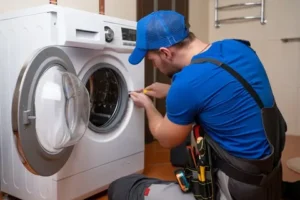
Safety Tips Before Repair
Always unplug the washing machine before performing repairs. Water and electricity are a dangerous combination, and safety should always come first.
Turn off the water supply valves to avoid accidental leaks. Keep towels nearby because some water will likely spill during the repair process.
Wear gloves if you are handling dirty filters or sharp components.
Step-by-Step Guide to Repair a Washing Machine That Won’t Drain
Now comes the practical part. Follow these steps carefully to diagnose and repair the issue.
Step 1: Inspect the Drain Hose
The drain hose is usually located at the back of the machine.
How to Check the Hose
- Pull the washer slightly away from the wall.
- Inspect the hose for bends or kinks.
- Disconnect the hose carefully.
- Place the hose into a bucket.
- Run water through it to check for blockages.
If water doesn’t flow freely, use a plumbing snake or long brush to remove debris.
A blocked hose is one of the easiest and most affordable fixes in Washing Machine Repair.
Step 2: Clean the Washing Machine Filter
Most front-load washers have a filter access panel near the bottom front of the machine.
How to Clean the Filter
- Place towels under the filter area.
- Slowly unscrew the filter cap.
- Allow trapped water to drain out.
- Remove lint, coins, buttons, and debris.
- Wash the filter under warm water.
- Reinstall the filter securely.
Cleaning the filter regularly can prevent future drainage issues and improve machine efficiency.
Step 3: Check the Drain Pump
If the hose and filter are clear, the drain pump may be the problem.
Signs of a Bad Drain Pump
- Humming noise
- Grinding sounds
- Burning smell
- No water movement
How to Inspect the Pump
- Remove the back or bottom access panel.
- Locate the pump near the drain hose connection.
- Check for visible obstructions.
- Spin the impeller manually.
- Test the pump with a multimeter.
If the pump motor shows no continuity, replacement is necessary.
Step 4: Test the Lid Switch or Door Lock
A defective lid switch prevents the washer from entering the drain or spin cycle.
Testing the Switch
- Open and close the lid slowly.
- Listen for a clicking sound.
- Use a multimeter to test continuity.
If the switch fails the continuity test, replacing it is usually straightforward and inexpensive.
Step 5: Examine the Belt and Motor
Older washers often use drive belts.
How to Check the Belt
- Remove the rear panel.
- Inspect the belt for cracks or looseness.
- Replace worn belts immediately.
A slipping belt can stop the machine from spinning and draining effectively.
Step 6: Reset the Washing Machine
Sometimes the issue is simply a software glitch.
How to Reset a Washer
- Unplug the machine for 5 minutes.
- Plug it back in.
- Select a drain and spin cycle.
Many electronic washers reset automatically after power cycling.
How to Unclog a Washing Machine Drain Hose
A clogged drain hose acts like a traffic jam inside your plumbing system. Water tries to move, but the blockage stops everything.
Signs You Need Professional Washing Machine Repair
Not every repair should be handled alone. Some problems require expert attention.
Strange Noises
Loud grinding or banging sounds may indicate severe pump or motor damage.
Burning Smell
A burning odor often points to electrical issues or overheating components.
Persistent Water Leaks
Leaks can damage floors, walls, and nearby furniture if ignored.
Electrical Problems
If the washer trips breakers or sparks, stop using it immediately and call a professional technician.
Repeated Drain Failures
If the machine continues failing after multiple repairs, there may be a deeper internal problem.
Preventive Maintenance Tips
Regular maintenance is the secret weapon of long-lasting appliances. A few simple habits can save hundreds of dollars in future Washing Machine Repair costs.
Clean the Filter Monthly
Make it part of your cleaning routine. A clean filter improves water flow and prevents pump strain.
Avoid Overloading the Washer
Overloading puts stress on the motor, pump, and belt system.
Use the Right Detergent
High-efficiency washers require HE detergent. Using the wrong type creates excess suds that affect drainage.
Inspect Hoses Regularly
Check hoses every few months for cracks, leaks, or buildup.
Run a Cleaning Cycle
Use vinegar or washer cleaner monthly to remove internal residue.
Final Thought
A washing machine that won’t drain water may seem like a major disaster, but many problems can be solved with simple troubleshooting and maintenance. From clogged hoses and dirty filters to faulty pumps and lid switches, understanding the root cause is the key to successful Washing Machine Repair.
By following the step-by-step methods in this guide, you can save money, extend the life of your appliance, and avoid unnecessary stress. Regular maintenance and early action are the best ways to keep your washer running smoothly for years to come.
Remember, a well-maintained washing machine is like a reliable teammate—it quietly does the hard work behind the scenes until something goes wrong. Give it the care it deserves, and it will continue serving your household efficiently.
FAQs
1. Why is my washing machine full of water after the cycle ends?
This usually happens because of a clogged drain hose, blocked filter, or faulty drain pump. Start by checking the simplest components first.
2. Can I use my washing machine if it won’t drain?
It’s best not to use it until the issue is repaired. Continuing operation can damage the motor or create leaks.
3. How often should I clean my washing machine filter?
Cleaning the filter once a month helps prevent drainage problems and improves machine performance.
4. What causes a washing machine drain pump to fail?
Drain pumps can fail due to age, debris buildup, overheating, or excessive strain from clogged hoses.
5. Is repairing a washing machine cheaper than replacing it?
In most cases, yes. Minor repairs are usually far less expensive than purchasing a new appliance, especially if the washer is relatively new.