
There are few things more frustrating than reaching into the freezer for a bag of ice only to find nothing but warm air. Whether you rely on ice for daily hydration, entertaining guests, or just keeping your drinks cool, a broken ice machine repair feels like a genuine emergency.
Before you panic or rush to buy bags of ice from the grocery store, take a deep breath. Many ice maker issues stem from simple fixes that you can handle yourself. However, some problems require a skilled touch. In this guide, we’ll walk through the most common reasons your ice maker stopped working and help you decide when it’s time to call for professional ice machine repair.
Quick Checks Before Troubleshooting
Before diving into complex diagnostics, start with the basics. Sometimes the solution is as simple as flipping a switch.
- Check the Power: Ensure the unit is plugged in and the circuit breaker hasn’t tripped.
- Inspect the Shut-Off Arm: Most ice makers have a metal or plastic arm that senses when the bin is full. If this arm is stuck in the “up” position, the machine thinks it’s full and won’t produce more ice. Lower it to restart the cycle.
- Verify the Water Supply: Make sure the water line valve behind the refrigerator or under the sink is fully open.
If these basic checks don’t resolve the issue, it’s time to look deeper into potential mechanical or plumbing hurdles.
Common Reasons Your Ice Maker Stopped Working
Ice makers are relatively simple machines, but they rely on a precise combination of water, temperature, and mechanics. Here are the most frequent culprits behind a lack of ice.
1. Clogged Water Filter
This is the number one cause of low ice production. Over time, sediment and minerals build up in your water filter, restricting water flow to the ice maker. If the water trickles in too slowly, the mold won’t fill completely, resulting in small cubes or no ice at all.
The Fix: Locate your water filter (usually inside the fridge grille or upper right corner) and check the replacement date. Most manufacturers recommend changing filters every six months. If it’s been a while, swap it out.
2. Frozen Water Line
If you live in a colder climate or your freezer temperature is set too low, the water line feeding the ice maker might actually freeze over. This creates a blockage that prevents water from reaching the tray.
The Fix: You can try thawing the line by turning off the ice maker and using a hair dryer on a low setting to gently warm the line. However, be careful not to melt any plastic components. If this happens frequently, you may need to adjust your freezer temperature to 0°F (-18°C).
3. Low Water Pressure
Ice makers require a specific water pressure to function correctly, typically between 20 and 120 psi. If your home’s water pressure is too low, the valve won’t open fully, and the ice maker won’t fill. This is common in homes with reverse osmosis systems or older plumbing.
The Fix: Check your home’s water pressure with a gauge. If it’s consistently low, you might need to install a booster pump or have a plumber inspect your lines.
4. Dirty Condenser Coils
Your refrigerator or standalone ice unit needs to dissipate heat to freeze water. If the condenser coils are covered in dust and pet hair, the machine has to work harder, potentially leading to overheating and reduced ice production.
The Fix: Unplug the unit and locate the coils (usually on the back or beneath the front grille). Use a coil brush or vacuum cleaner to remove debris. Doing this annually can significantly extend the life of your appliance.
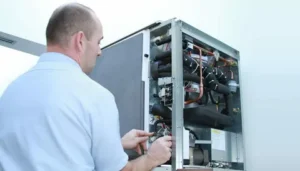
When to DIY vs. When to Call for Ice Machine Repair
While changing filters and cleaning coils are great DIY projects, some issues are beyond the scope of a home handyman. Attempting to fix complex mechanical problems without experience can void your warranty or cause further damage.
You can likely handle it yourself if:
- The issue is related to water filters or visible blockages.
- The shut-off arm was accidentally bumped.
- The unit needs a simple reset (unplugging for 5 minutes).
It’s time to call for professional ice machine repair if:
- You hear strange noises: Grinding, buzzing, or clicking sounds often indicate a motor or compressor issue.
- There are water leaks: Leaks inside the freezer or on the floor suggest a broken water inlet valve or cracked line.
- The ice smells or tastes bad: This could indicate a mold issue within the internal lines that requires specialized cleaning.
- The unit runs constantly but makes no ice: This suggests a refrigerant leak or a faulty thermostat, which requires certified handling.
Professional technicians have the tools to diagnose electrical components and refrigerant levels safely. Investing in expert ice machine repair early can save you money compared to replacing the entire unit prematurely.
Maintaining Your Ice Maker to Avoid Future Issues
Prevention is always better than a cure. By following a few maintenance tips, you can keep your ice flowing smoothly year-round.
- Clean the Ice Bin: Every few months, empty the ice bin and wash it with mild soap and warm water. Bacteria can build up on old ice cubes.
- Sanitize the Unit: Once a year, run a sanitizing cycle using a mixture of water and lemon juice or a manufacturer-approved cleaner to remove mineral buildup.
- Monitor Water Quality: If you have hard water, consider installing a water softener. Hard water causes scale buildup inside the machine, which is a leading cause of mechanical failure.
- Don’t Ignore Small Issues: If you notice the ice cubes getting smaller or the machine making new noises, address it immediately. Small problems rarely fix themselves.
Conclusion
A malfunctioning ice maker is an inconvenience, but it doesn’t always mean you need a new appliance. By checking the water filter, ensuring the water line isn’t frozen, and keeping the coils clean, you can resolve many common issues on your own.
However, knowing your limits is key. If you’ve tried the basic fixes and your machine is still silent, don’t force it. Reliable ice machine repair services can diagnose the root cause and get your system back up and running efficiently. After all, life is too short for warm drinks!
Frequently Asked Questions
Q: How long does it take for a new ice maker to start making ice?
A: After installation or a reset, it can take up to 24 hours for the unit to reach the proper temperature and produce the first batch of ice.
Q: Why is my ice maker making hollow or small cubes?
A: This is usually a sign of low water pressure or a partially clogged water filter. Check your filter first.
Q: Can I use my ice maker if the water filter is old?
A: It’s not recommended. An old filter restricts flow and can introduce contaminants into your ice, affecting taste and safety.
Q: How often should I schedule professional ice machine repair maintenance?
A: For standalone commercial units, annual maintenance is ideal. For home refrigerator ice makers, professional help is only needed when troubleshooting fails.